Skip to main navigation menu Skip to main content Skip to site footer

Volume 2Enero - Diciembre 2012

Published August 28, 2025

Issue description

Enero - Diciembre 2012

Articles

  1. General Considerations on Compaction of Specimens of Hot Mix Asphalt (HMA) in the Superpave® Gyratory Compactor

    The compaction of hot mix asphalt (HMA) in the Superpave® Gyratory Compactor is the developments in the laboratory mixture design. The compaction equipment was designed in order to simulate the densification that occurs on site during construction and in service. Another objective was to measure somehow the “workability” of the mix, said it in other words, how easy or difficult is to compact the asphalt mixture.

    Also, it was considered the use of larger size aggregates. Finally, the equipment should be easy enough to use in conducting the quality assurance and control tests. This article summarizes the history, the operation of the equipment, the test method, the results and finally, the conclusions and recommendations based on the experience gathered over the years using this equipment in LanammeUCR.
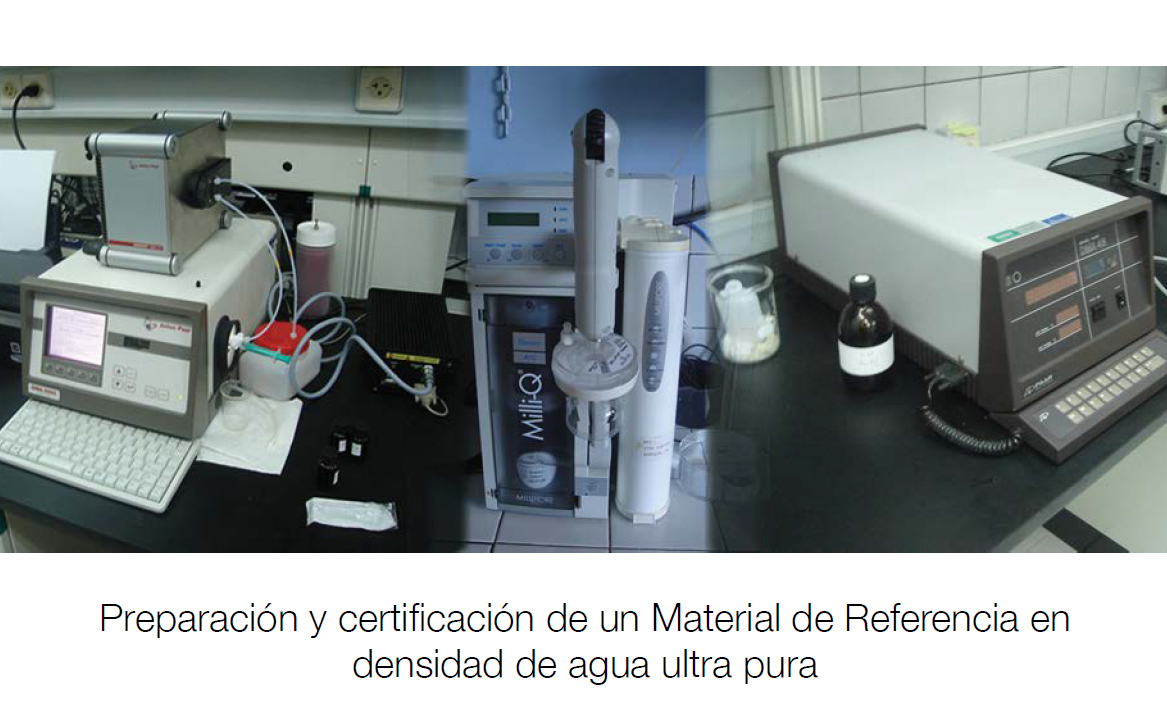
  2. Preparation and Certification of a Reference Material in Ultra Pure Water Density

    Conductivity and total hardness in ultrapure water samples produced by four combinations of purification water equipment were studied. Production of reference material method chose the group of purification equipment which allow obtaining water samples with minor conductivity and total hardness. Several processes for the certification of the material were performed as well: study of conductivity versus time, study of the effect of filling and package processes, density value assignment, four different temperatures, using variable methods and stability studies in the magnitudes of conductivity and density. Finally results of the certification were reported in the certificate for the certified reference material in density of ultra-pure water batch.

  3. Experimental Tests to Determine the Capacity of Prefabricated Concrete Columns

    This document develops a method for comparison and correlation of two methods for testing reinforced concrete prefabricated columns. The main objective of this article is to simplify the quality control methods in this field and bring information on how to extrapolate the results that may be obtained from a simpler testing method as the ASTM C78M, Standard Test Method for Flexural Strength of Concrete (using simple beam with third-point loading) to a method which represents better the condition of loading that often are used in analytical design of this elements, which is the Method for Flexural Strength of Concrete (using cantilevered beam at 0,220 · L and loaded at 0,728 · L). For the investigation 5 producing factories of columns were evaluated, For each factory, were 7 columns were tested with a method and 7 columns with the other method. The experimental result indicates that apparently does not exist significant difference between both methods.

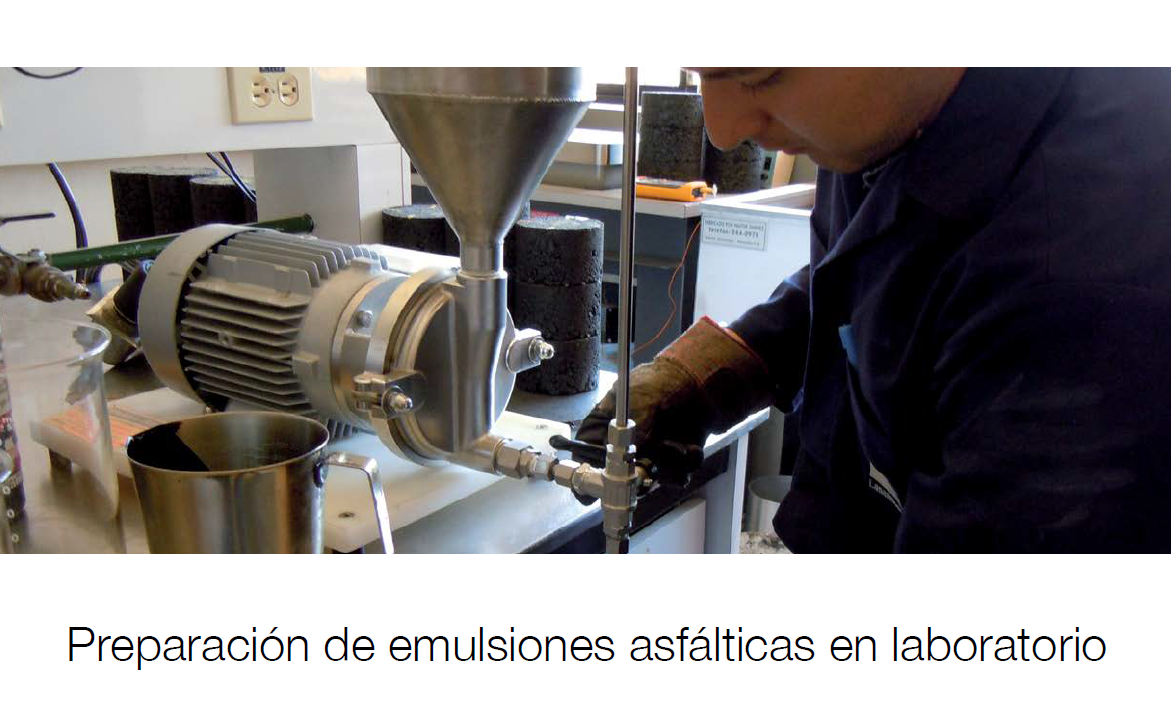
  4. Preparation of asphalt emulsions in the laboratory

    Costa Rica has used asphalt emulsions for different purposes quite extensively over 
    the years. Nevertheless, asphalt emulsion preparation and its storage care needs have 
    been overlooked by users who employ these emulsions on a regular basis. This article 
    intends to provide details about the procedures involved in different asphalt emulsion lab 
    preparation. In addition, the article also gives a series of recommendations about how to 
    properly handle these emulsions during and after the manufacturing process so that the 
    specific desired application outcome can be achieved.

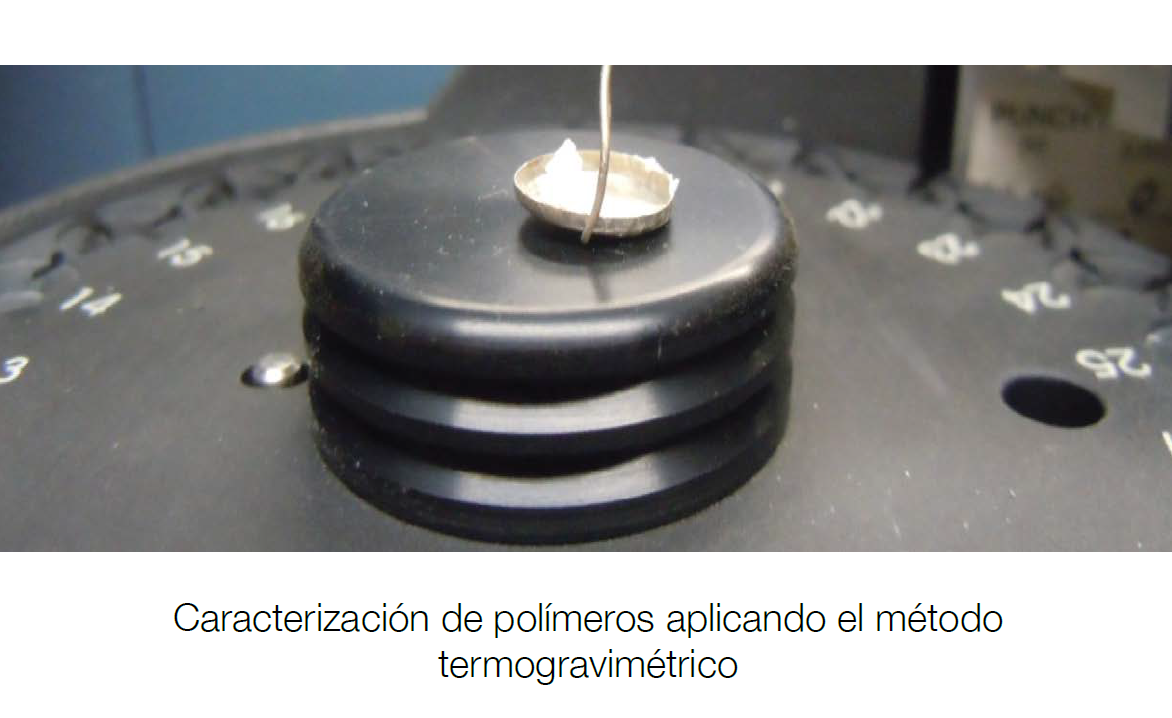
  5. Characterization of polymers using the method thermogravimetric

    Thermogravimetry is a technique that has been used for characterization of materials, especially coal and clays. In recent years, the technique has been extended to other materials. This technique, in addition to other thermal techniques, provides a source of information not only thermal but also chemical. It is important to note that this method does not reveal the chemical composition of the material that is being studying nor identify the thermal changes that are not associated with mass changes such as crystallization or glass transition.

    Thermogravimetry analyses the mass changes as a result of a variation in temperature or by subjecting a material to a set temperature for a defined period. The mass changes identified can determine under what conditions the materials decompose. The results are expressed graphically by thermograms.